Mozambique Hopes to Provide Universal Access to Electricity by 2030
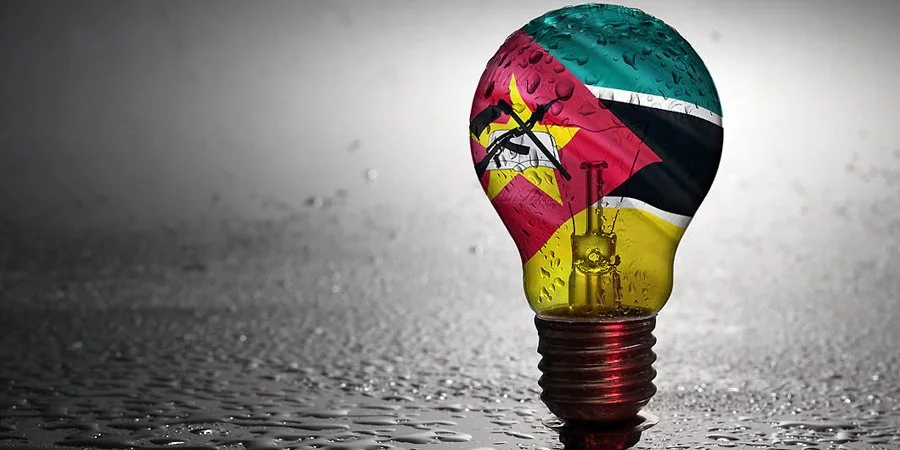
Mozambique has set an ambitious target: The country wants to provide universal access to electricity by 2030. In a nation where large portions of the population, especially in rural areas, have historically lacked reliable power, that goal represents a major shift. It also signals a market that is opening rapidly through policy, investment, and innovation.
For investors and entrepreneurs, Mozambique’s energy transition is also a clear invitation to participate in building the infrastructure, services, and systems that will define the country’s economic future.
A Bold Commitment to Universal Energy Access
Mozambique’s government has made the goal of offering universal access to electricity by 2030 a top national priority. This commitment is backed by partnerships with organizations such as the World Bank. Mozambique President Daniel Chapo has reaffirmed that energy access is essential to economic inclusion and long-term growth, according to the Club of Mozambique.
Historically, electrification rates have lagged, particularly outside urban centers. Many communities have relied on informal or unreliable energy sources, limiting everything from educational advancement to small business development. Expanding access is key to increasing productivity across sectors.
Mozambique’s approach centers on renewable energy as a core strategy. Rather than relying solely on traditional grid expansion, the country is combining centralized systems with decentralized solutions like solar home systems and mini-grids. According to the International Energy Agency (IEA), this blended approach will allow Mozambique to move faster while making use of its abundant natural resources.
Mozambique’s Acceleration in Renewable Deployment
The pace of progress has accelerated in recent years. Over 700,000 renewable energy systems have been installed since 2024, according to the Mozambican Renewable Energy Association. That includes solar home systems for individual households, as well as mini-grids that can power entire communities.
This growth reflects rising demand and improved delivery models. The costs for solar technology have declined, and financing has become more flexible. Renewables are reaching areas that would be costly or impractical for grid expansion.
Large-scale solar projects are also gaining traction. Industry coverage from SolarFinanced Africa and The Business Year point to a pipeline of projects that are increasing generation capacity while attracting international investment. These projects are positioning Mozambique as a growing player in Africa’s clean energy market.
For investors, this signals a market that is already scaling, with adoption happening at a fast pace.
Public-Private Partnerships Driving the Transition
Public-private partnerships are central to Mozambique’s energy strategy. The government is working with development finance institutions, donors, and private companies to accelerate deployment.
Blended finance models combine public funding with private capital, reducing risk and attracting investment, with strong support from organizations like the World Bank.
Policy frameworks are evolving to support investment. Mozambique is creating a more investable environment through clear regulatory pathways and a strong focus on energy access. According to the IEA, this coordinated approach is critical for scaling both grid and off-grid solutions.
Where the Opportunities Are for Investors and Entrepreneurs
As the energy sector expands, opportunities are emerging across multiple layers of the market.
1. Infrastructure Development—Expanding access requires investment in transmission and distribution networks, since long-term growth depends on stronger infrastructure. Industrial zones, commercial developments, and urban projects all require reliable power, increasing demand for integrated infrastructure. These projects tend to be capital-intensive, but offer stable, long-term returns for investors who are willing to engage at scale.
2. Off-Grid and Decentralized Energy Solutions—Mozambique’s rural electrification gap has created strong demand for decentralized energy. Solar home systems and mini-grids are often the fastest and most cost-effective way to reach populations that are underserved. These models lower barriers to entry while creating opportunities for innovation in financing, distribution, and customer engagement.
3. Energy Services and Supporting Businesses—Beyond generation, there is growing demand for services that support the energy ecosystem. Installation, maintenance, and repair services are essential as systems scale, alongside financing models like leasing and microloans. There is also room for technology-driven platforms that manage payments, monitor performance, and optimize energy usage. For entrepreneurs, this layer of the market often offers more flexibility and quicker entry than large infrastructure projects.
Why Mozambique Is Especially Attractive Right Now
Mozambique’s appeal lies in a rare combination of factors. The country has abundant renewable resources, including strong solar, wind, and hydro potential, along with rising demand.
The 2030 target creates urgency, while international partnerships bring funding and expertise. According to African Business, energy development is also tied to broader economic strategies, including industrial growth.
Its location along key trade corridors further strengthens its appeal. As infrastructure improves, the country is likely to become more integrated into regional markets, increasing the value of energy investments.
Risks and Barriers to Watch
Despite the opportunities, challenges remain. Infrastructure gaps extend beyond energy, particularly in transport and logistics. These limitations can increase project costs and slow deployment.
Regulatory processes, while improving, can still be complex. Investors may encounter delays or uncertainty when navigating approvals. Currency fluctuations and financing risks are also important considerations, especially for projects that rely on international capital.
There is also some dependence on donor funding, which can introduce variability if priorities shift. Execution in rural and remote areas presents logistical challenges, requiring strong operational planning to deliver and maintain systems at scale.
From Energy Access to Economic Growth
Expanding electricity access goes beyond powering homes. It supports small businesses, education, healthcare, and job creation.
Reliable energy can transform local economies, support food businesses, digital services, and more viable manufacturing.
The World Bank has emphasized that accelerating energy access is closely tied to broader economic development. As Mozambique moves toward its 2030 goal, the ripple effects are likely to extend across multiple sectors.
For investors and entrepreneurs, this is a convergence of policy support, unmet demand, and proven technology. Those who engage early can help to shape a growing energy ecosystem while contributing to meaningful economic progress.